
Blog
Range Rover Engine: Power, Performance, and Innovation

Introduction
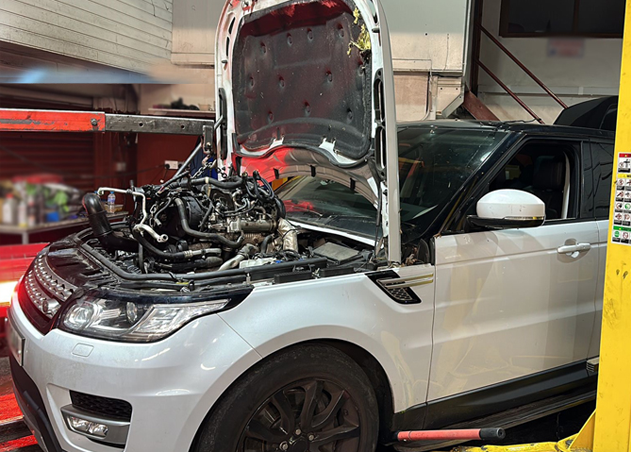
The Range Rover has long been synonymous with luxury, performance, and innovation. Beyond its elegant design and advanced features, the engine is the true heart of the vehicle, combining engineering excellence with cutting-edge technology. In this article, we explore the Range Rover engine in detail, covering its types, features, performance, and maintenance, ensuring a comprehensive understanding of what makes these vehicles exceptional.
Introduction to Range Rover Engines
Range Rover engines are designed to deliver a seamless blend of power, efficiency, and refinement. Land Rover, the manufacturer of Range Rover, has invested decades in research and development to ensure each engine meets the demands of modern drivers. From smooth city rides to rugged off-road adventures, the engine is engineered to provide reliability under all conditions.
The key to the Range Rover’s success lies in its diverse engine lineup, which includes petrol, diesel, and hybrid options. Each type is tailored to suit different driving preferences, emphasizing power, torque, fuel efficiency, or environmental consciousness.
Types of Range Rover Engines
1. Petrol Engines
Range Rover petrol engines are designed for performance enthusiasts who value speed and smooth acceleration. Common variants include the 3.0-liter inline-six and the 5.0-liter V8 engines.
- 3.0-Liter Inline-Six Petrol: This engine combines turbocharging technology with mild hybrid systems to offer a balance of power and fuel efficiency. Drivers experience strong acceleration while enjoying improved environmental performance.
- 5.0-Liter V8 Petrol: Known for its raw power, the V8 engine provides an exhilarating driving experience with high torque and rapid acceleration. This engine is perfect for those who enjoy high-speed cruising or towing heavy loads.
2. Diesel Engines
Diesel engines have been a staple in the Range Rover lineup, especially for drivers who prioritize torque, fuel efficiency, and long-distance comfort.
- 3.0-Liter TDV6 Diesel: The TDV6 is praised for its excellent fuel economy and robust performance. Its high torque output ensures effortless towing and superior off-road capabilities.
- 4.4-Liter SDV8 Diesel: This engine delivers premium diesel performance, combining strength and refinement. With advanced turbocharging, it offers a smooth and quiet ride even during challenging conditions.
3. Hybrid and Electric Engines
Range Rover has embraced hybrid technology to meet modern environmental standards without compromising performance.
- PHEV (Plug-in Hybrid Electric Vehicle) Engine: Combining a petrol engine with an electric motor, the PHEV offers zero-emission driving for short distances while maintaining the power expected from a Range Rover.
- Mild Hybrid Engine: This system uses a small electric motor to assist the petrol or diesel engine, improving fuel efficiency and reducing emissions without affecting performance.
Key Features of Range Rover Engines
Range Rover engines are more than just raw power; they are a combination of technological innovation and intelligent design. Here are some features that make these engines exceptional:
- Turbocharging: Most Range Rover engines use turbocharging technology to enhance power output without significantly increasing fuel consumption.
- Advanced Fuel Injection: Precision fuel injection systems ensure efficient combustion, maximizing both power and fuel economy.
- All-Wheel Drive Integration: The engines are perfectly paired with Range Rover’s all-wheel-drive system, providing excellent traction on diverse terrains.
- Adaptive Dynamics: Engine performance is optimized through adaptive suspension and torque vectoring, offering a comfortable ride while maintaining agility.
- Eco-Friendly Technology: Hybrid systems and start-stop technology reduce emissions, making Range Rover engines more environmentally responsible.
Performance and Driving Experience
One of the most critical aspects of any engine is how it translates to the driving experience. Range Rover engines are engineered to offer an unmatched combination of power, smoothness, and reliability.
- Acceleration: With the V8 petrol engine, Range Rover models can accelerate from 0 to 60 mph in just over five seconds. The inline-six variants offer slightly slower but still impressive acceleration.
- Torque: Diesel engines, particularly the SDV8, provide massive low-end torque, making off-road driving and towing effortless.
- Efficiency: Hybrid engines enhance fuel efficiency without sacrificing performance. The integration of electric motors allows for silent, zero-emission driving over short distances.
- Comfort: Despite their power, Range Rover engines are remarkably quiet and refined. Noise, vibration, and harshness (NVH) levels are minimized, ensuring a luxurious driving experience.
Maintenance and Longevity
To maintain the performance and longevity of a Range Rover engine, regular maintenance is crucial. Key maintenance practices include:
- Oil Changes: Regular oil changes ensure engine components remain lubricated and reduce wear over time.
- Cooling System Checks: Proper cooling prevents overheating, which can cause severe engine damage.
- Timing Belt and Chain Inspection: Ensuring the timing belt or chain is in good condition prevents catastrophic engine failure.
- Fuel System Maintenance: Clean fuel injectors and filters help maintain efficiency and performance.
- Software Updates: Modern Range Rover engines rely on sophisticated engine control units (ECUs) that may require periodic software updates for optimal performance.
Proper maintenance not only extends the engine’s life but also preserves fuel efficiency and overall vehicle reliability.
Innovations in Range Rover Engine Technology
Land Rover continuously introduces technological innovations to enhance the Range Rover engine. Some notable innovations include:
- Intelligent Start-Stop Technology: Automatically shuts off the engine during idling to conserve fuel.
- Mild Hybrid Electric Support: Assists the engine during acceleration, reducing fuel consumption and emissions.
- Turbocharging with Variable Geometry: Adjusts turbo performance dynamically for optimal power delivery across all RPM ranges.
- Integrated Exhaust Systems: Enhance engine efficiency and reduce noise for a smoother drive.
These innovations ensure that Range Rover engines are not only powerful but also modern and environmentally conscious.
Range Rover Engine in Off-Road Conditions
Range Rover is renowned for its off-road capabilities, and the engine plays a critical role in this performance. Features like high torque, low-end power, and intelligent all-wheel-drive systems allow Range Rover vehicles to conquer steep inclines, muddy trails, and rough terrains.
- Hill Descent Control (HDC): Works in conjunction with the engine to maintain a steady speed on declines.
- Terrain Response System: Adjusts engine output to suit specific conditions such as sand, mud, or snow.
- Low-Range Gearing: Provides maximum torque at low speeds, ensuring control in challenging off-road situations.
The combination of engine power and smart technology makes Range Rover a leader in luxury off-road vehicles.
Conclusion
The Range Rover engine is a marvel of modern automotive engineering, seamlessly blending performance, luxury, and innovation. Whether you choose a petrol, diesel, or hybrid model, the engine delivers a driving experience that is both exhilarating and refined. From city streets to rugged off-road trails, Range Rover engines offer reliability, power, and efficiency, making them a top choice for discerning drivers worldwide.
With advanced features, intelligent systems, and a focus on sustainability, the Range Rover engine continues to set benchmarks in the luxury SUV segment. Regular maintenance ensures these engines remain in peak condition, providing years of dependable performance and driving pleasure.
For more information.